RISE – Reintegration through skills and education
Why is prison education important?
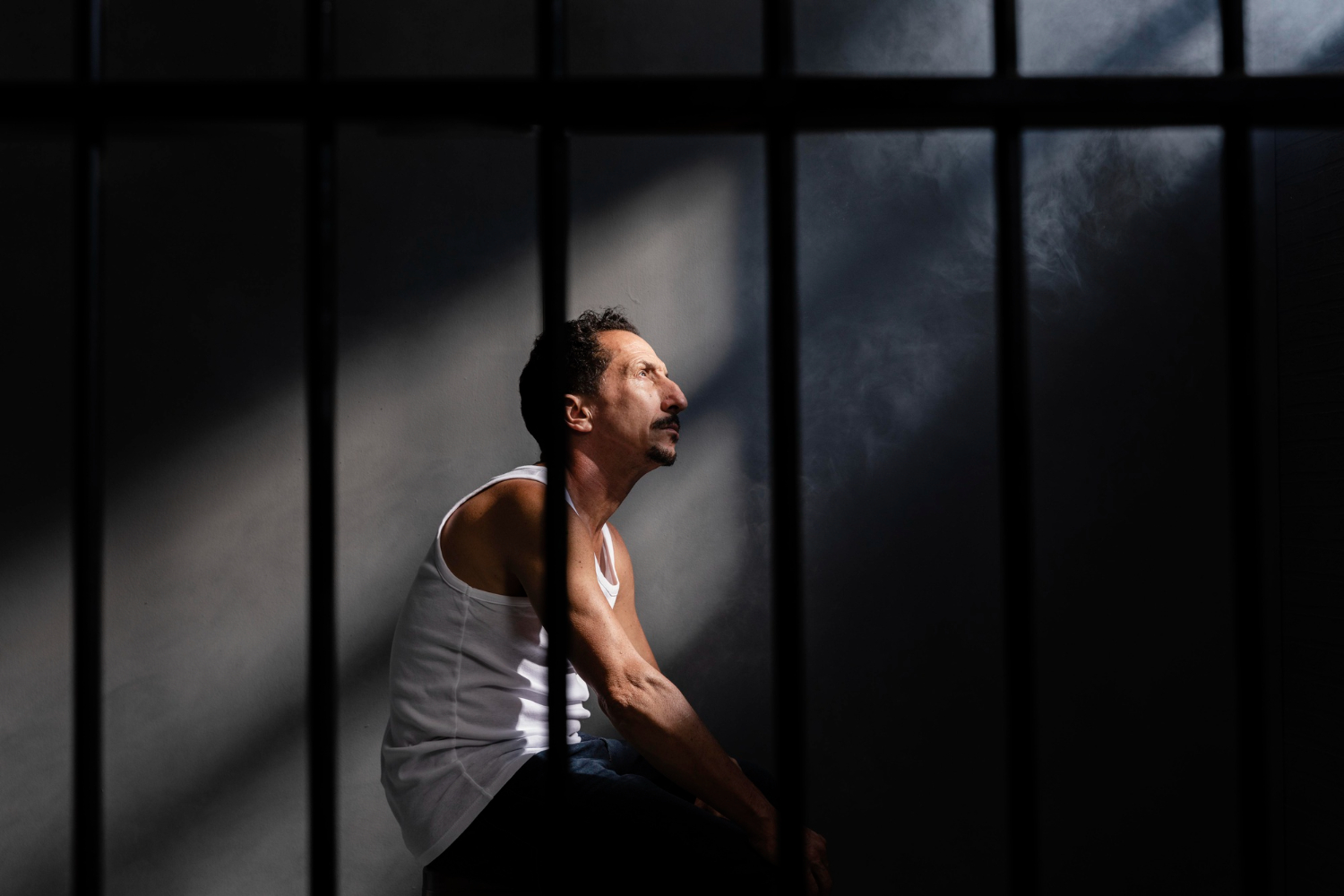
For many years, education has been recognised as one of the most effective tools supporting the social reintegration of people deprived of their liberty. Numerous studies conducted across Europe and beyond demonstrate that inmates who participate in educational programmes during their sentence are more likely to find employment after release, continue their education, and are less likely to reoffend. Education not only provides knowledge and practical skills but also helps rebuild self-esteem, strengthen personal responsibility, and increase motivation for positive change.
Many incarcerated individuals enter prison with a history of educational failure, low levels of formal education, and limited competences required to function effectively in modern society. Many begin their sentence with poor educational attainment, limited work experience, and significant learning gaps that hinder successful reintegration. These deficiencies affect not only their employment prospects but also their ability to manage everyday tasks, access public services, and participate actively in social life. Investing in prison education is therefore an investment in a safer and more inclusive society, where former inmates have a genuine opportunity to build a new future.
The RISE project is built around this idea, focusing on the development of fundamental competences that serve as the foundation for further personal and professional growth. The project partners believe that every individual, regardless of their past, should have the opportunity to acquire knowledge, develop new skills, and create better prospects for the future. RISE is based on the conviction that education is one of the most powerful tools for supporting personal transformation and preparing individuals in custody for responsible participation in society after their release. The project aims to equip participants with competences that will benefit them both during imprisonment and throughout their reintegration journey.
Why RISE?
The project’s name was chosen deliberately. The acronym ‘RISE’ stands for “Reintegration through skills and education”, but the word “rise” itself also conveys powerful symbolism. It represents the process of standing up, moving forward, overcoming obstacles, and building a better future.
Social reintegration is often a long and demanding journey. It requires individuals to acquire new competences, rebuild confidence in their own abilities, and gradually prepare themselves for life beyond prison walls. The RISE project seeks to support this process by demonstrating that education can be the starting point for meaningful change and a pathway towards a new chapter in life.
Is the RISE project needed?
Across Europe, a significant part of imprisoned individuals possess low levels of basic skills. Many struggle with reading comprehension, writing, performing basic mathematical calculations or understanding information necessary for everyday life. In many cases, these individuals experienced educational difficulties long before entering prison, left school prematurely, or never had access to supportive learning environments.
These educational disadvantages have a direct impact on life after release. They reduce employment opportunities, limit access to vocational training and further education, and often negatively affect self-confidence and personal aspirations. The partners involved in RISE recognise that successful reintegration requires more than rehabilitation programmes or psychological support. It also requires the systematic development of general competences that form the basis for lifelong learning, employability and active participation in society.
Project objectives
The primary objective of the RISE project is to develop a modern general competences course designed specifically for low-skilled inmates. The course will focus on strengthening the essential skills needed to function successfully in contemporary society while increasing participants’ independence and confidence in everyday life.
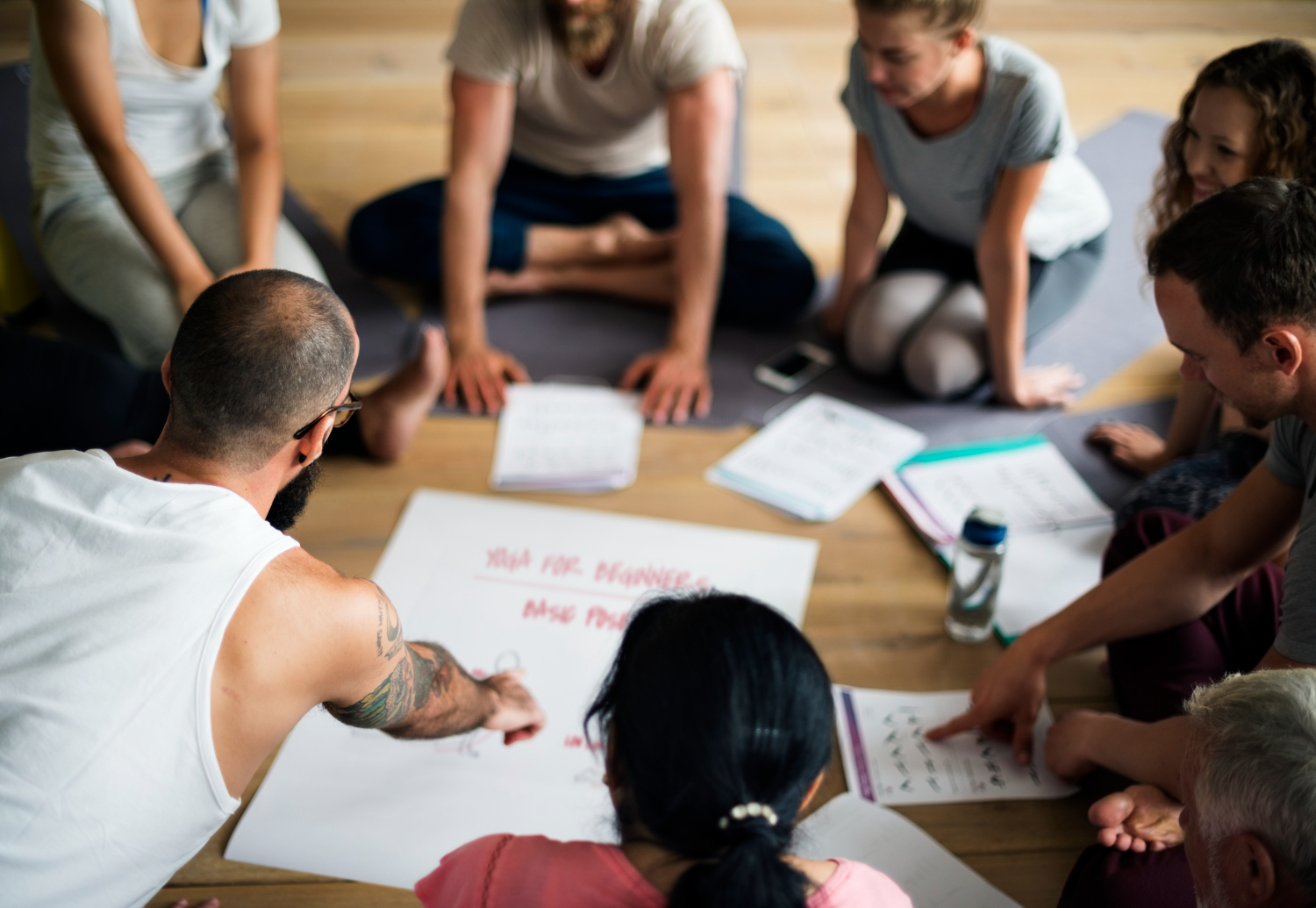
The project also aims to improve the quality of prison education by providing educators with innovative teaching materials and practical methodological tools. These resources will support the delivery of more engaging, learner-centred educational activities tailored to the real needs of adult learners in prison settings. Another important objective is to promote lifelong learning and reinforce the idea that education can be a powerful instrument for personal transformation, regardless of age, background, or previous educational experiences.
What activities will be implemented?
The first stage of the project will involve a comprehensive analysis of the educational needs of the imprisoned individuals, as well as the collection and comparison of good practices from prison education systems across Europe. Thanks to the extensive experience of the partner organisations, this process will draw on diverse perspectives and proven approaches developed in different national contexts. Based on the findings, the partnership will develop a comprehensive general competences course consisting of four complementary learning modules. Each module will include ready-to-use lesson plans, exercises, educational materials and practical activities tailored to the abilities and needs of the target group.
The course and supporting resources will be developed collaboratively by all project partners. This international cooperation will ensure that the materials reflect a broad range of educational experiences and cultural perspectives, making them adaptable to different prison education systems throughout Europe.
Four areas of competence development
The first module will focus on literacy and communication skills. Participants will improve their reading comprehension, written expression, verbal communication, and ability to interact effectively in everyday situations. The second module will concentrate on mathematical competences. It will demonstrate the practical relevance of mathematics in daily life, including budgeting, workplace calculations, financial planning, and problem-solving activities that encourage logical thinking. The third module will cover natural sciences and general knowledge about the world. Participants will explore topics related to health, environmental awareness, sustainability, ecology, and contemporary social challenges. The fourth module will provide basic English language skills. Developing language competences can broaden educational and employment opportunities while helping participants navigate an increasingly international and interconnected world.
Together, these four areas form a balanced curriculum aimed at strengthening the essential competences required for successful reintegration and active citizenship.
Resources for educators
The RISE project is not focused solely on inmates. Prison teachers, trainers, and educators are also key beneficiaries of the initiative. Every day, these professionals play a crucial role in supporting incarcerated learners and helping them develop new skills and aspirations.
To support their work, the project will develop a comprehensive teaching guide containing methodological recommendations, practical classroom strategies, and suggestions for motivating learners in prison settings. The guide will draw on the collective expertise of all project partners and serve as a practical tool for educators working with learners who face educational and social disadvantages.
Testing the results in practice
All educational materials developed within the project will be piloted in partner institutions. This testing phase will make it possible to evaluate their effectiveness under real-life conditions and gather valuable feedback from both learners and educators. Participants will be encouraged to share their experiences, suggestions and observations. The pilot phase will therefore not only assess the quality of the materials but also help refine and adapt them to different learning environments and learner profiles. The final project results will be shaped by both expert knowledge and practical experience gained during implementation.
European cooperation for prison education
RISE is an excellent example of international cooperation between organisations committed to adult education, social inclusion, and prison education. The partners represent different countries and educational traditions, yet they share a common belief that education can play a transformative role in the lives of incarcerated individuals. Through collaboration, the partnership will exchange knowledge, explore innovative methodologies and develop resources that can continue to benefit prison education systems long after the project has ended. This international dimension will strengthen the quality, relevance and transferability of the project results across Europe.
Long-term benefits
The impact of the RISE project is intended to extend far beyond its implementation period. The educational materials, course modules and teaching guide will remain available for future use in prisons, adult education centres and organisations working with socially excluded groups. The project partners firmly believe that everyone deserves an opportunity to learn, grow and develop new competences, regardless of their past experiences. Education may not change the world overnight, but it provides individuals with the tools they need to change their own lives. This belief lies at the heart of the RISE project.

Meet the project partners
The RISE project is implemented by organisations with extensive experience in adult education, social inclusion and support for disadvantaged groups. Each partner contributes unique expertise and perspectives, helping to ensure the development of high-quality and impactful project results.
The project coordinator is the Busola Socially Excluded Education Association from Poland. The organisation has long been engaged in prison education and has implemented numerous national and international initiatives supporting inmates and prison educators. Its members possess extensive experience in teaching incarcerated learners and managing Erasmus+ projects.
The Belgian partner, Asturia, specialises in adult education and has participated in numerous European initiatives focusing on prison education. The organisation has considerable expertise in developing educational materials and implementing innovative learning solutions for disadvantaged learners.
The German partner, aufBruch, is one of Europe’s most recognised organisations working at the intersection of culture, education, and prison rehabilitation. Since 1997, it has implemented theatre projects in Berlin prisons, using artistic expression as a means of personal development, social learning and reintegration.
The Spanish partner, Centro de Educación de Adultos García Alix, provides adult education services, including educational programmes delivered directly in prisons and social reintegration centres. The organisation has extensive experience in supporting vulnerable learners and promoting educational opportunities that enhance employability and social participation.
Together, the four partners combine practical expertise, educational innovation, and a shared commitment to creating meaningful opportunities for individuals facing social exclusion.
For more detailed information about the project, its objectives, activities, and results, please visit the official project website:
https://riseedu.eu/

The RISE – Reintegration through skills and education project is implemented under the Erasmus+ Programme, Key Action 2 – Cooperation Partnerships in Adult Education (KA220-ADU). The project runs from 1 November 2025 until 31 October 2027.
This project is co-funded by the European Union. The views and opinions expressed are those of the authors only and do not necessarily reflect those of the European Union or the Foundation for the Development of the Education System, acting as the Erasmus+ National Agency in Poland. Neither the European Union nor the National Agency can be held responsible for them.