About the Project
The project “Teaching Mathematics to Prisoners through Games” was implemented within the Erasmus+ programme in cooperation with partners from Poland, Spain and Slovenia. The main objective of the project was to develop mathematical, logical and social competences among prisoners through the use of game-based learning methods and non-formal education.
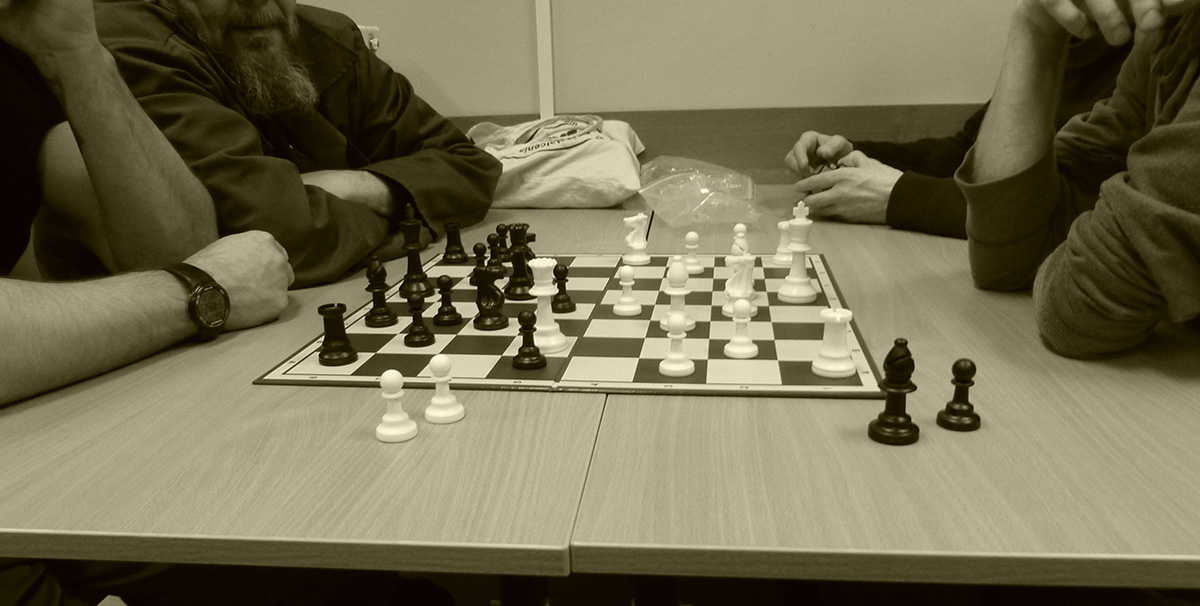
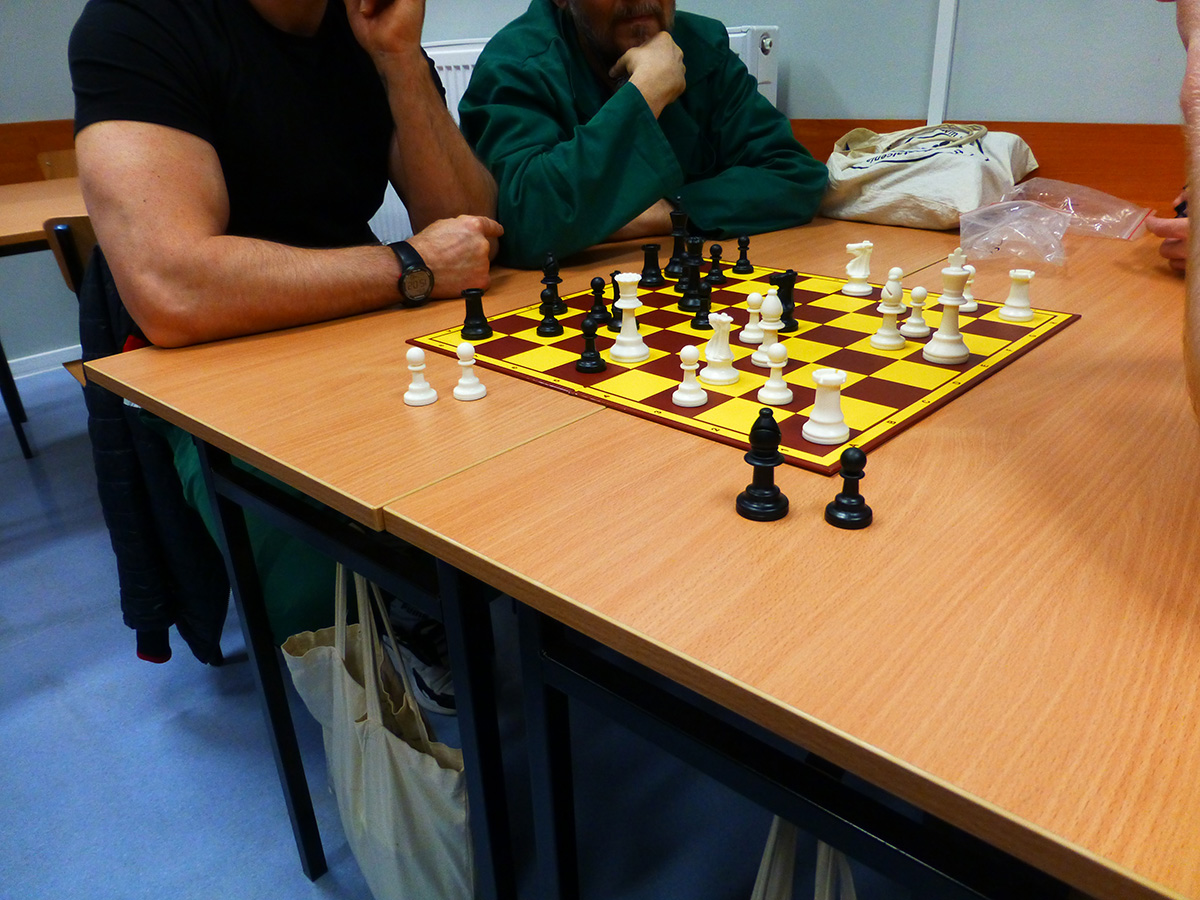
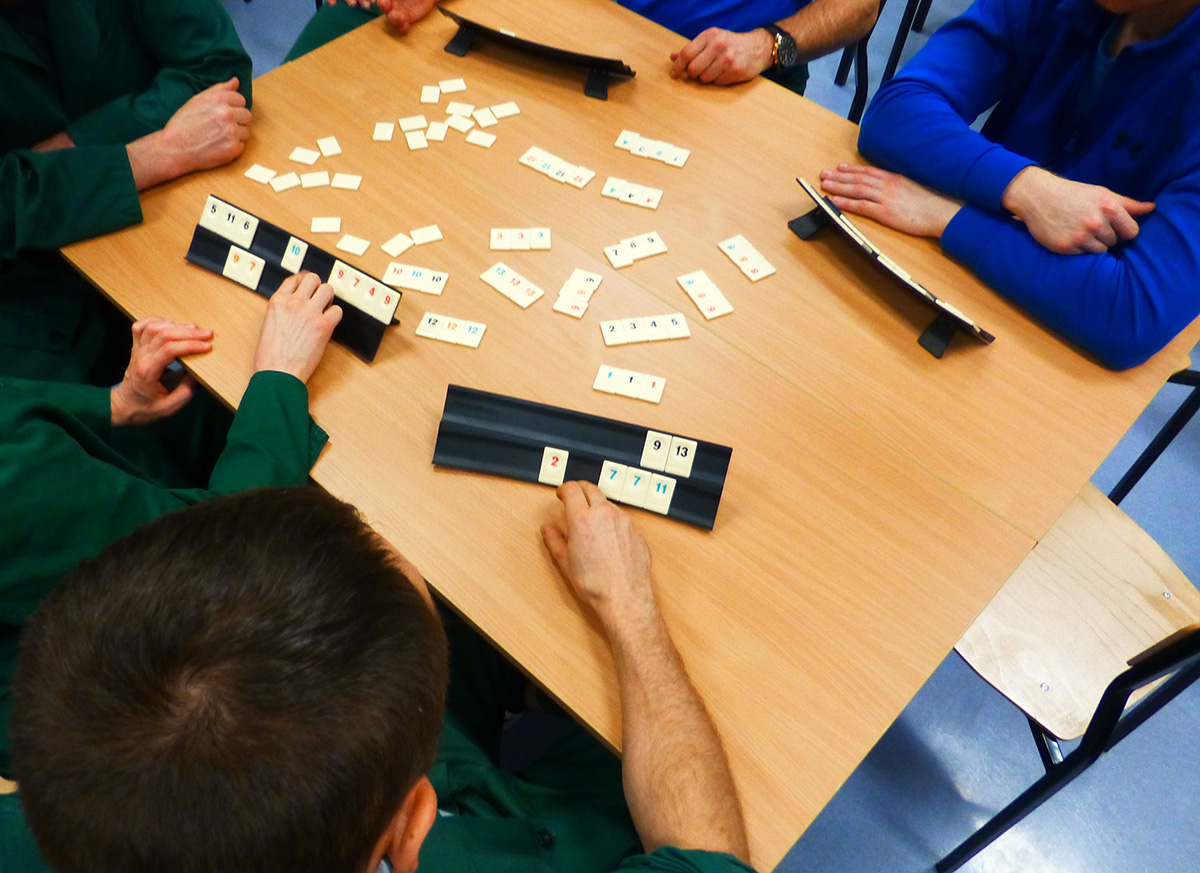
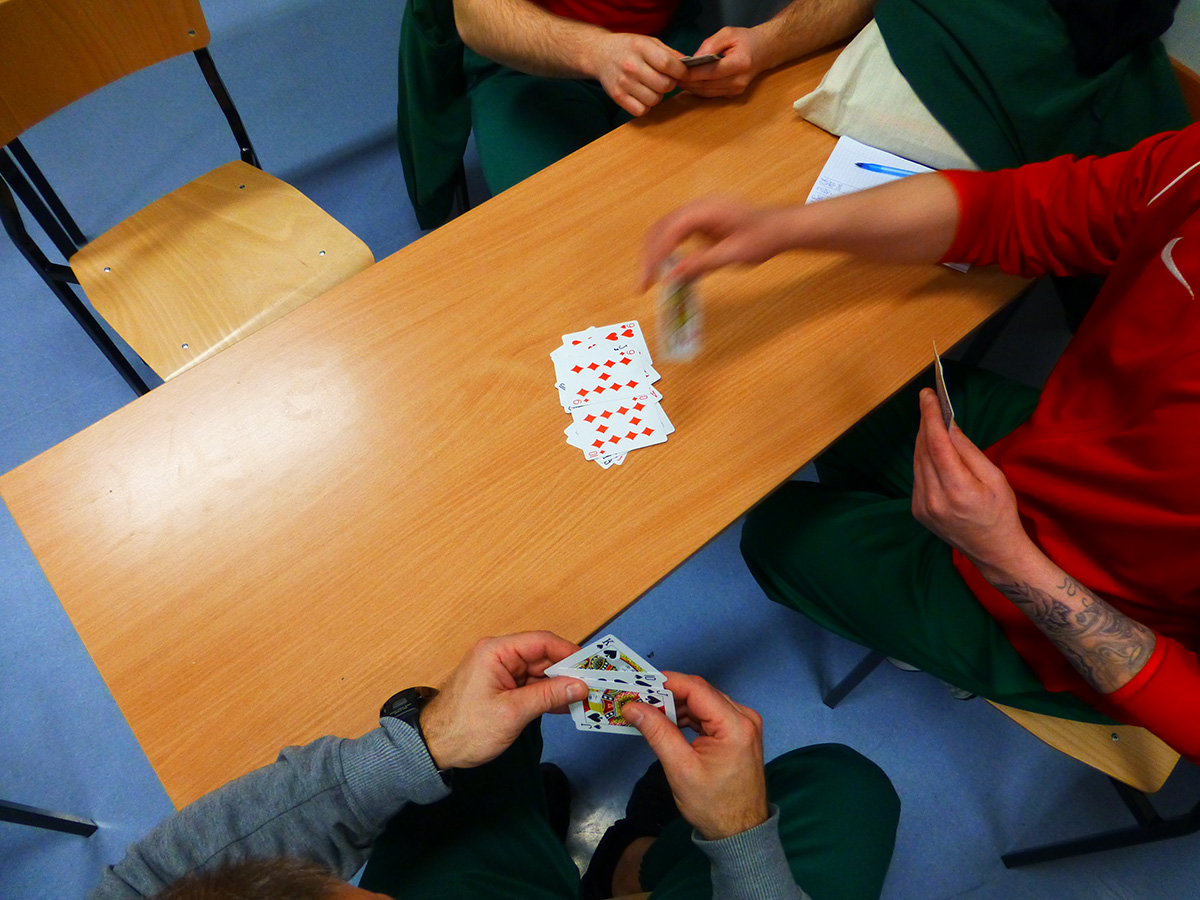
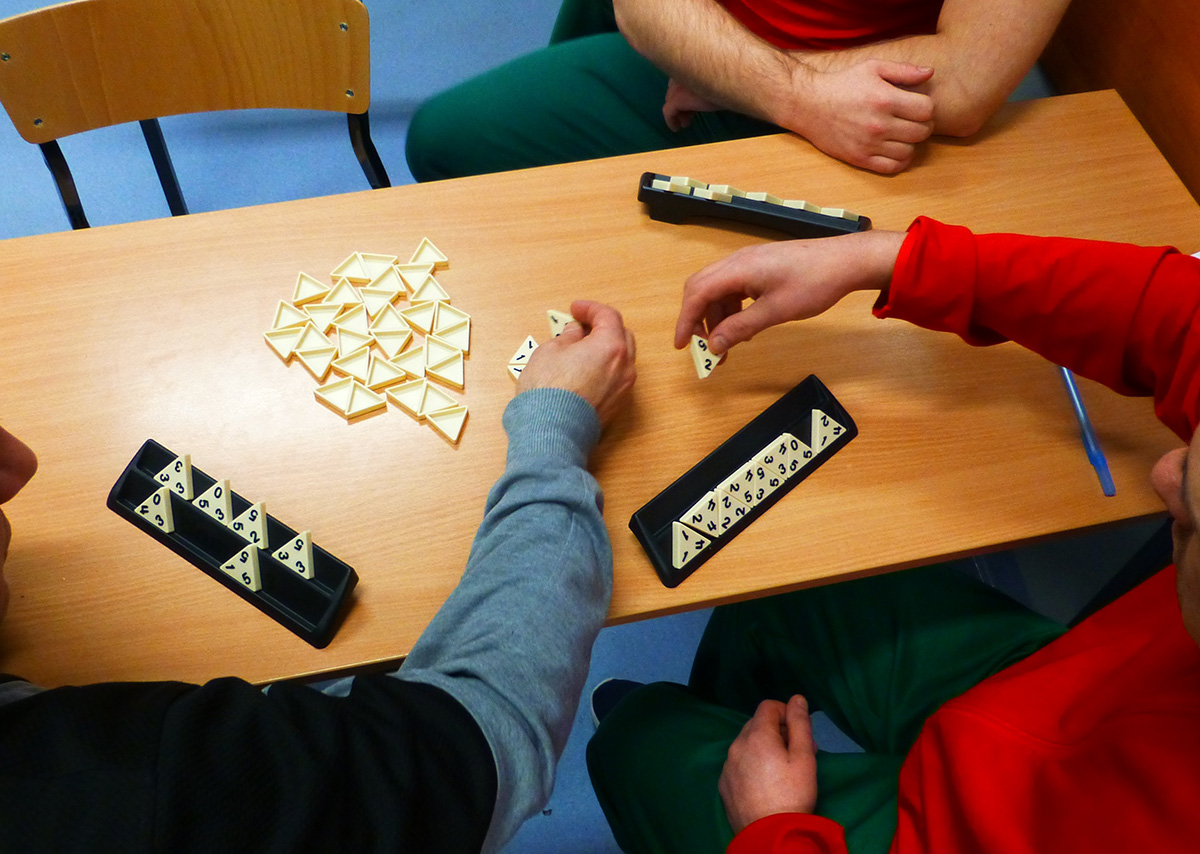
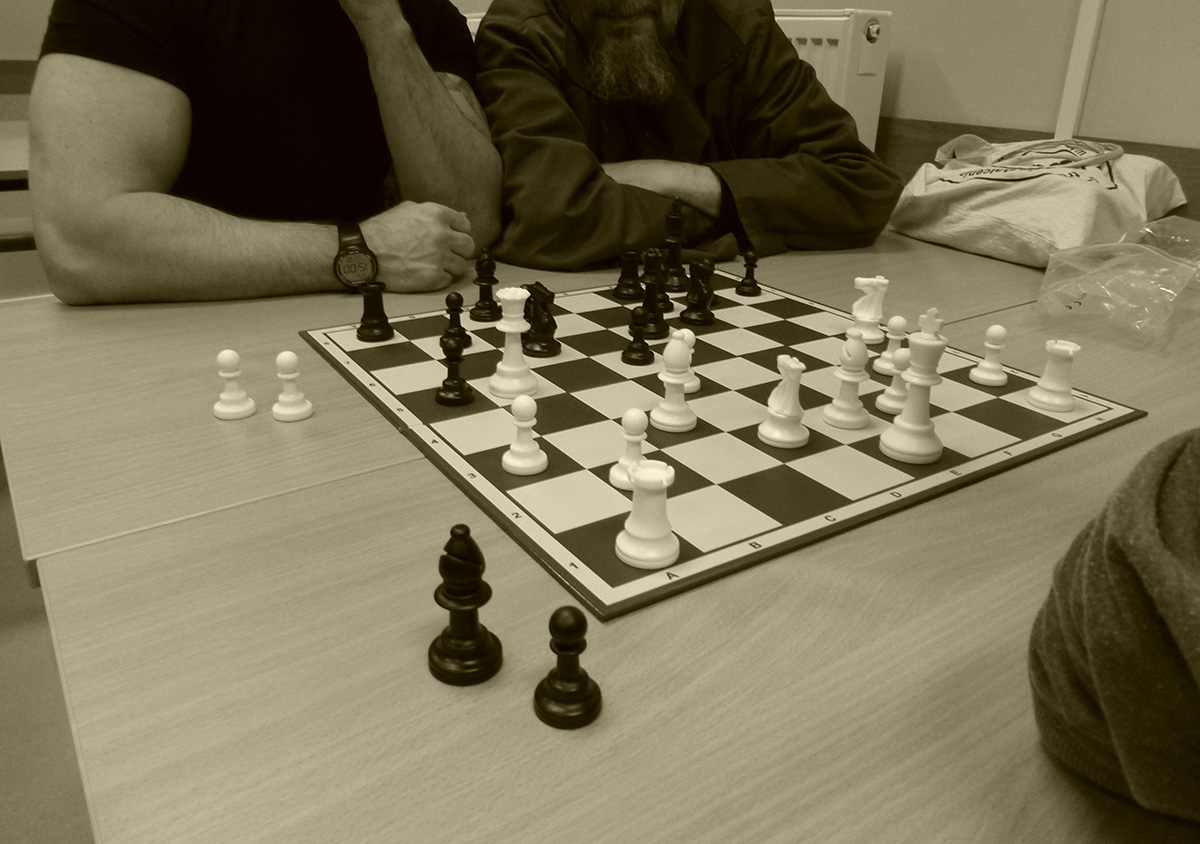
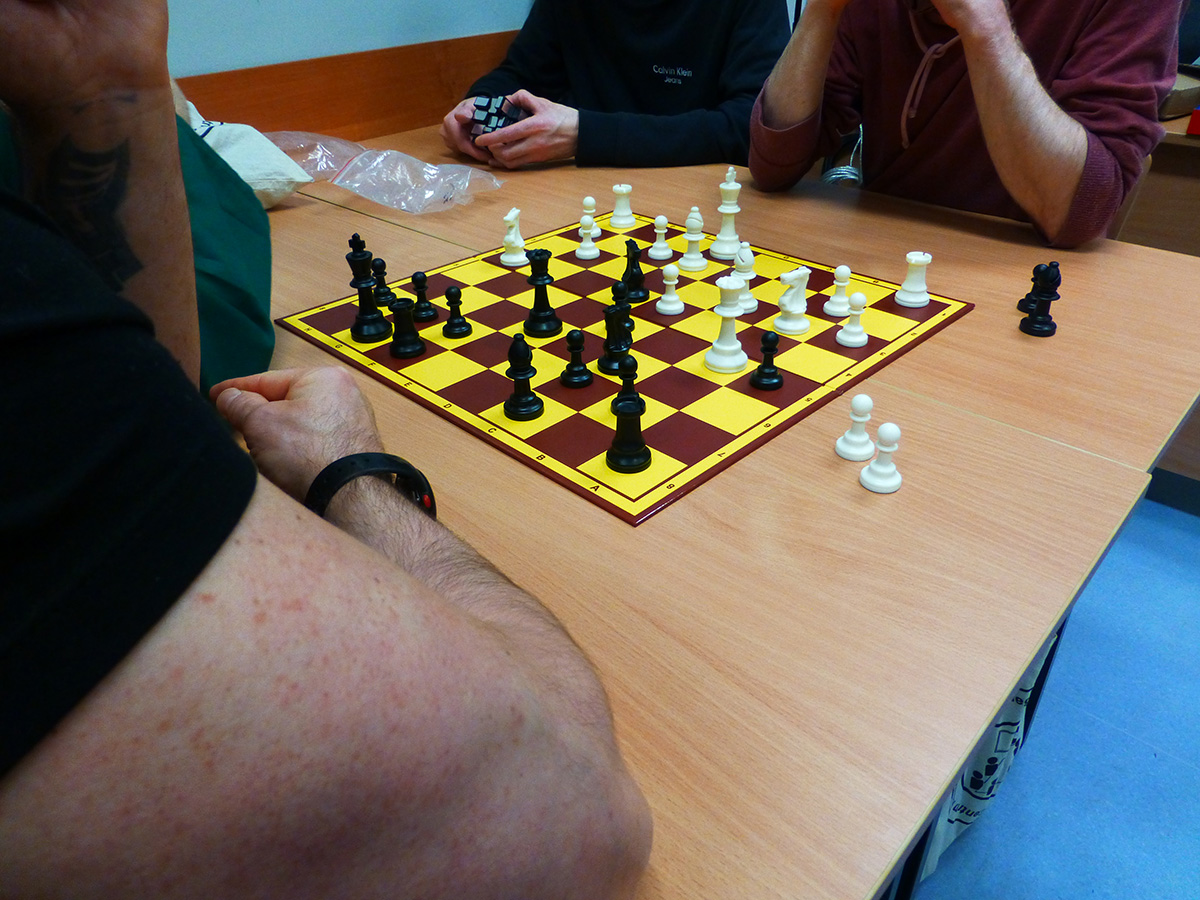
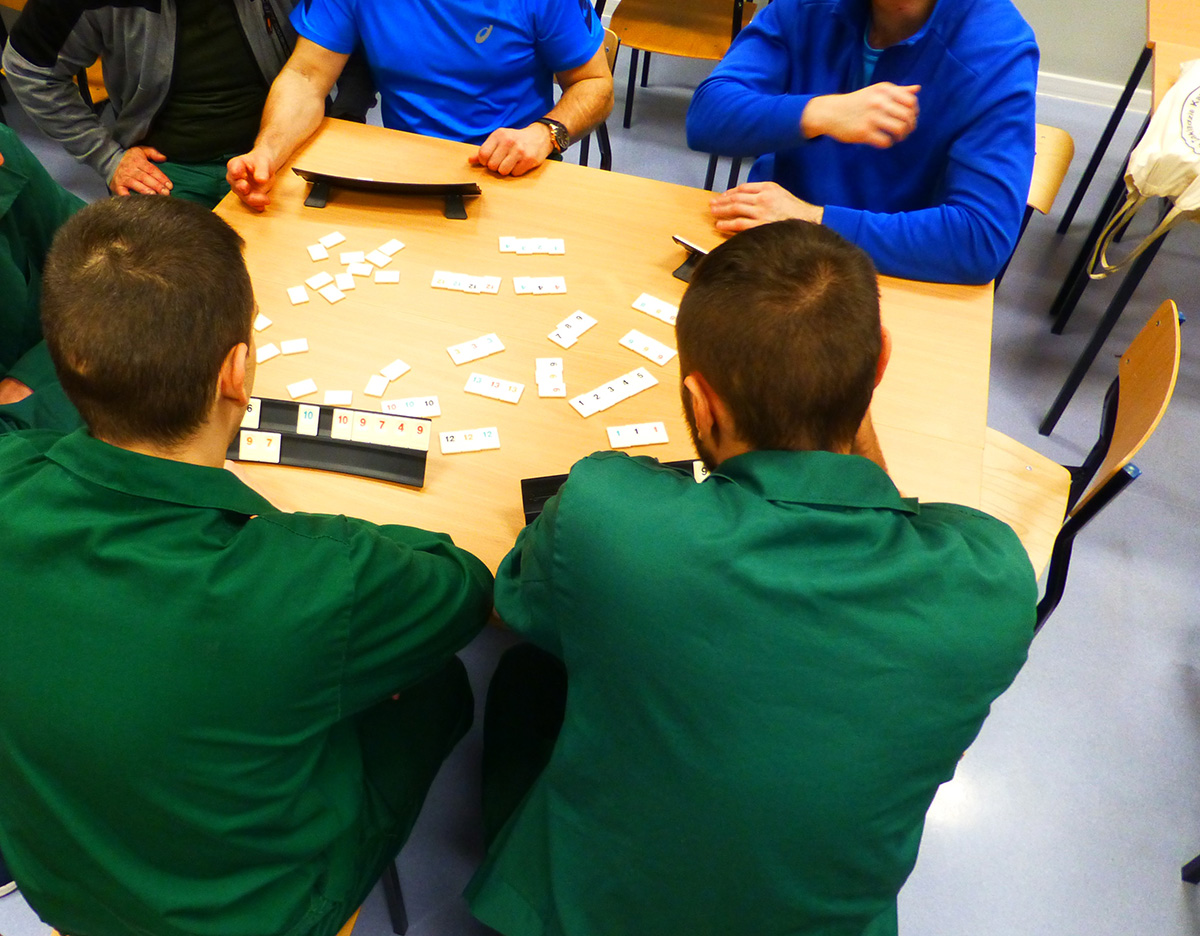
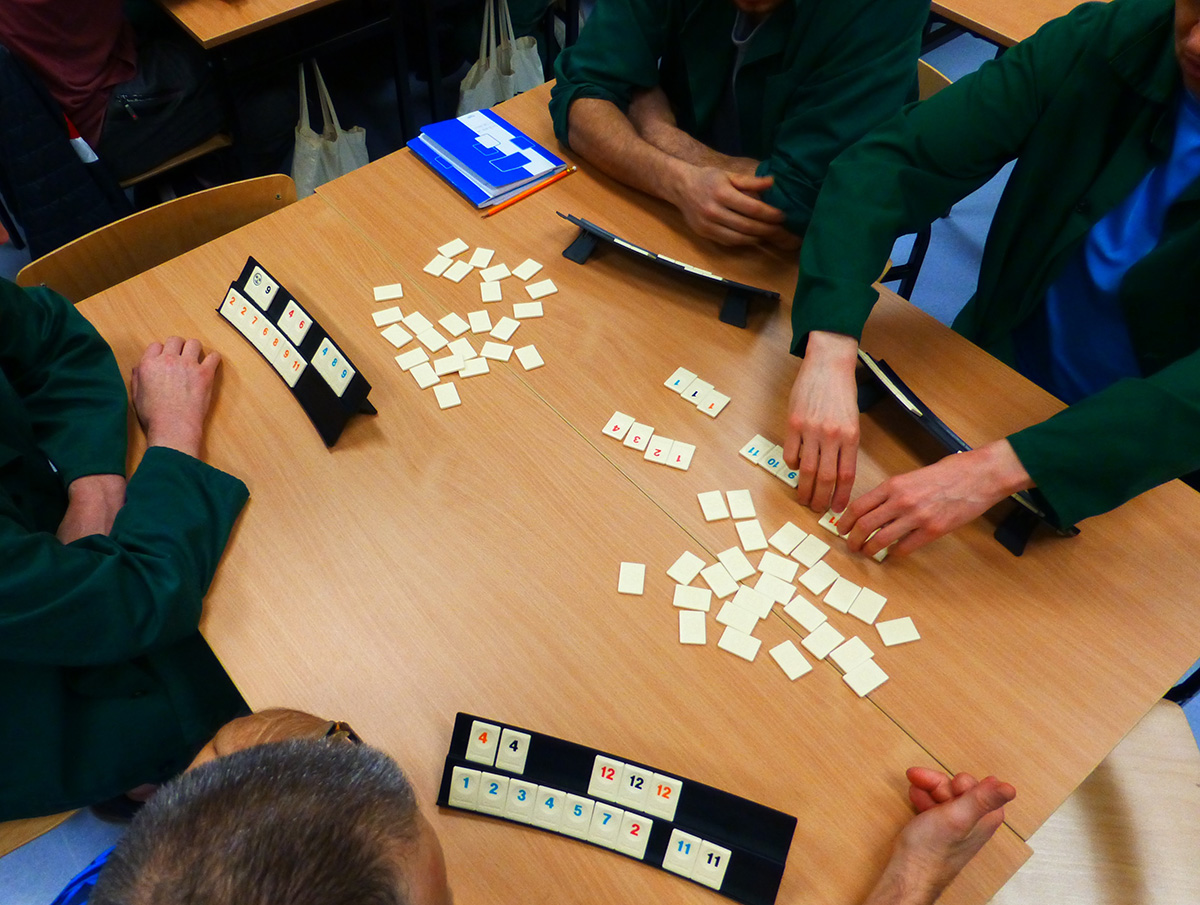
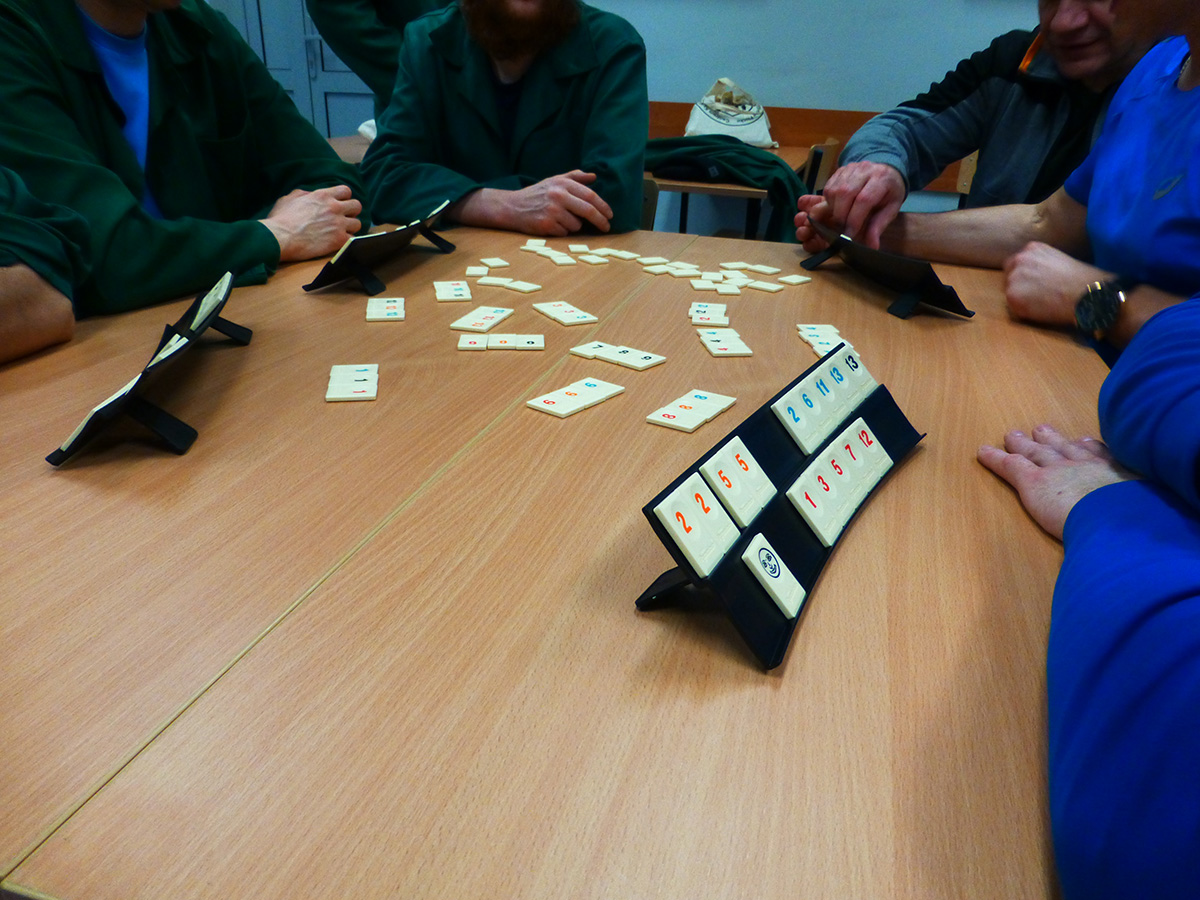
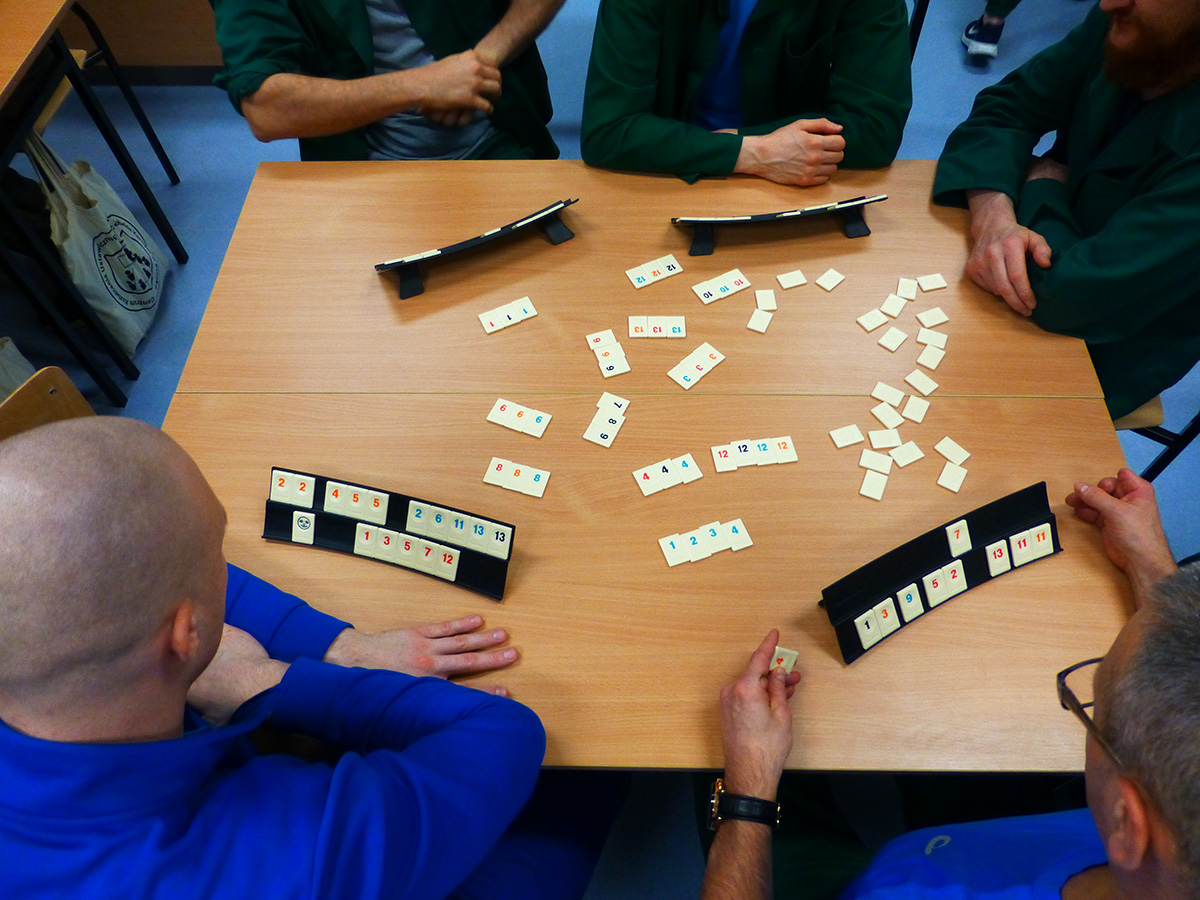
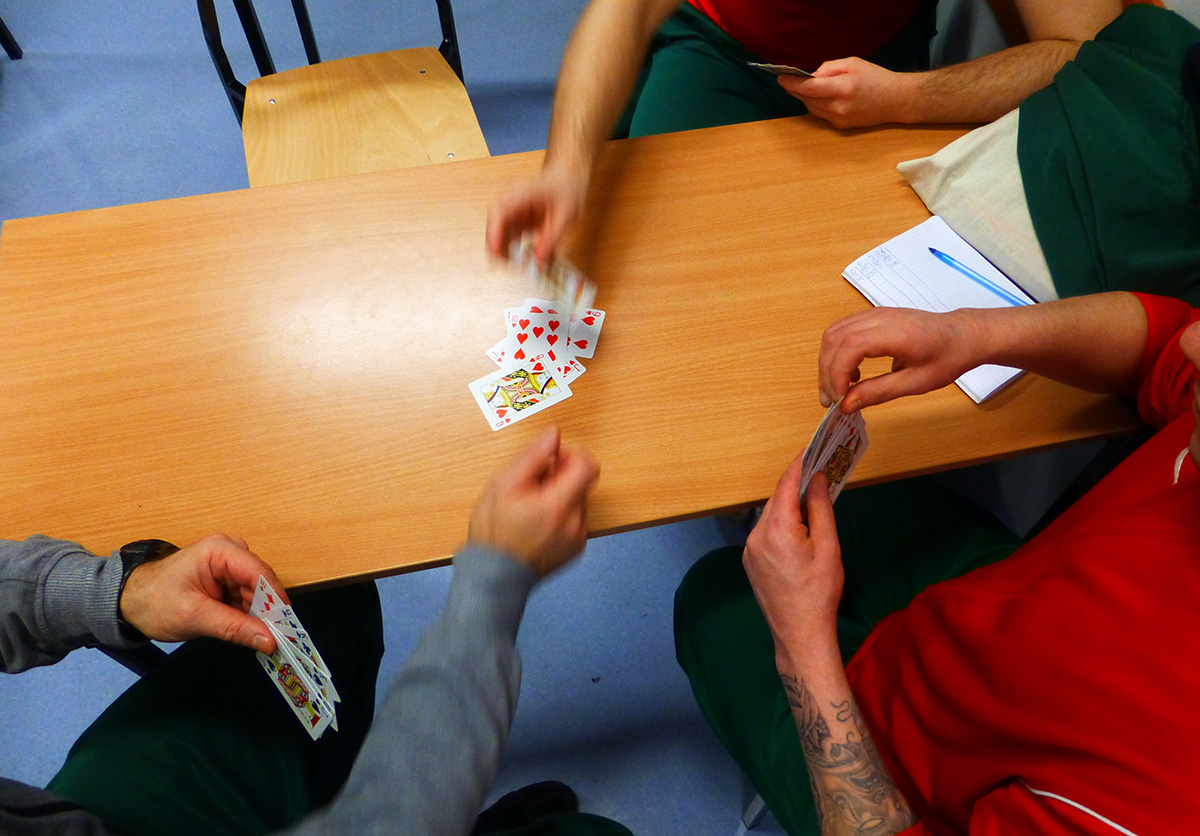
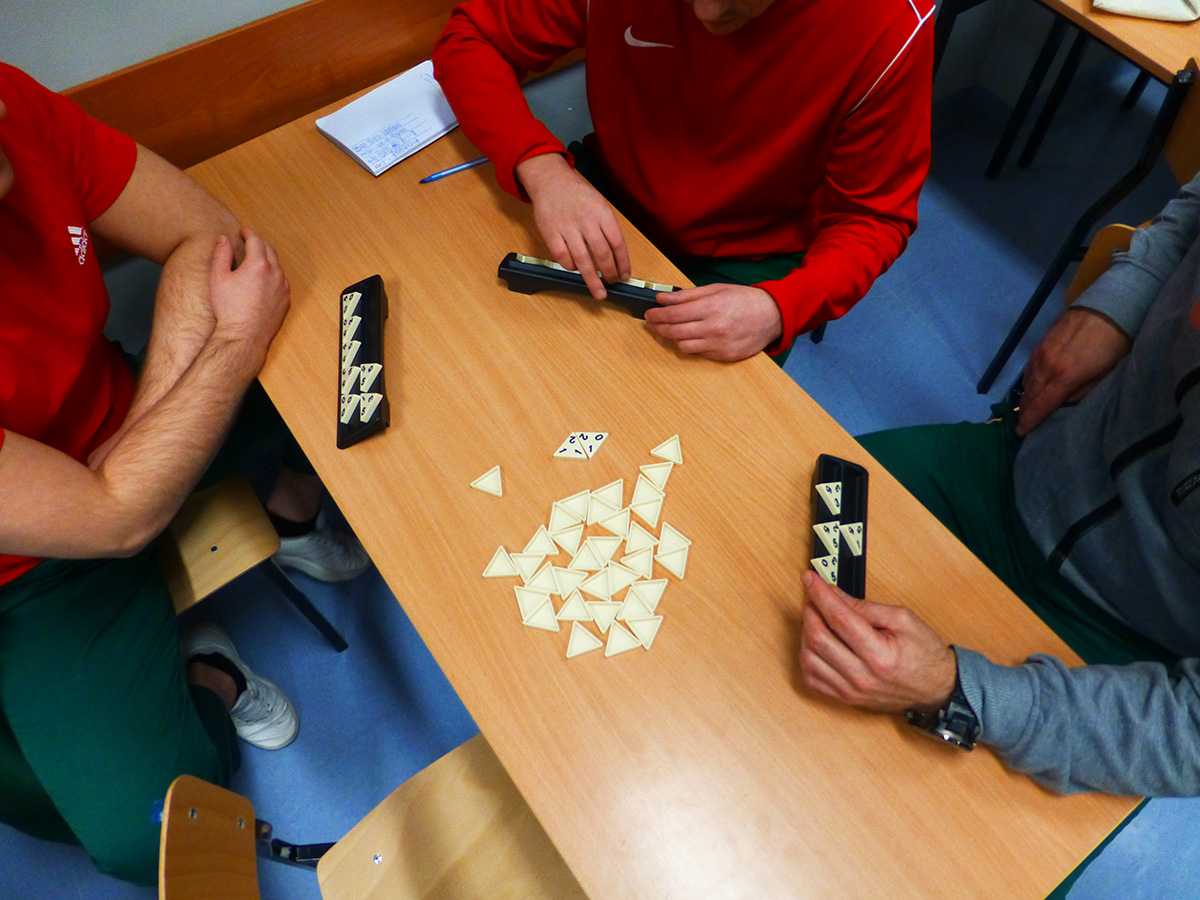
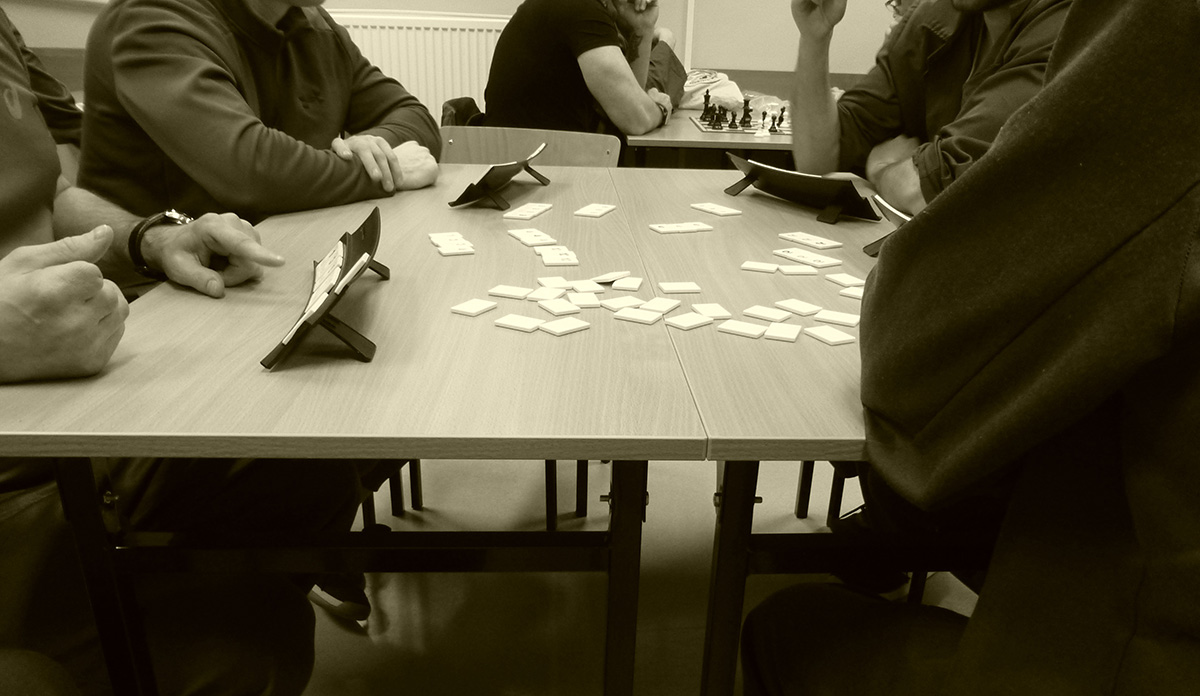
The project was created in response to the need for more engaging and motivating forms of prison education. The project partners observed that many prisoners had negative experiences related to traditional education and showed a low level of motivation to participate in standard educational activities. In response to these needs, activities based on board games, chess, logical games, Sudoku, card games and LEGO workshops were developed.
The project focused not only on developing mathematical competences, but also on strengthening social skills, increasing motivation to learn and creating a more positive and activating educational environment within prison settings.
Project Activities
As part of the project, numerous educational workshops were organised in penitentiary institutions in Poland, Spain and Slovenia. Participants took part in:
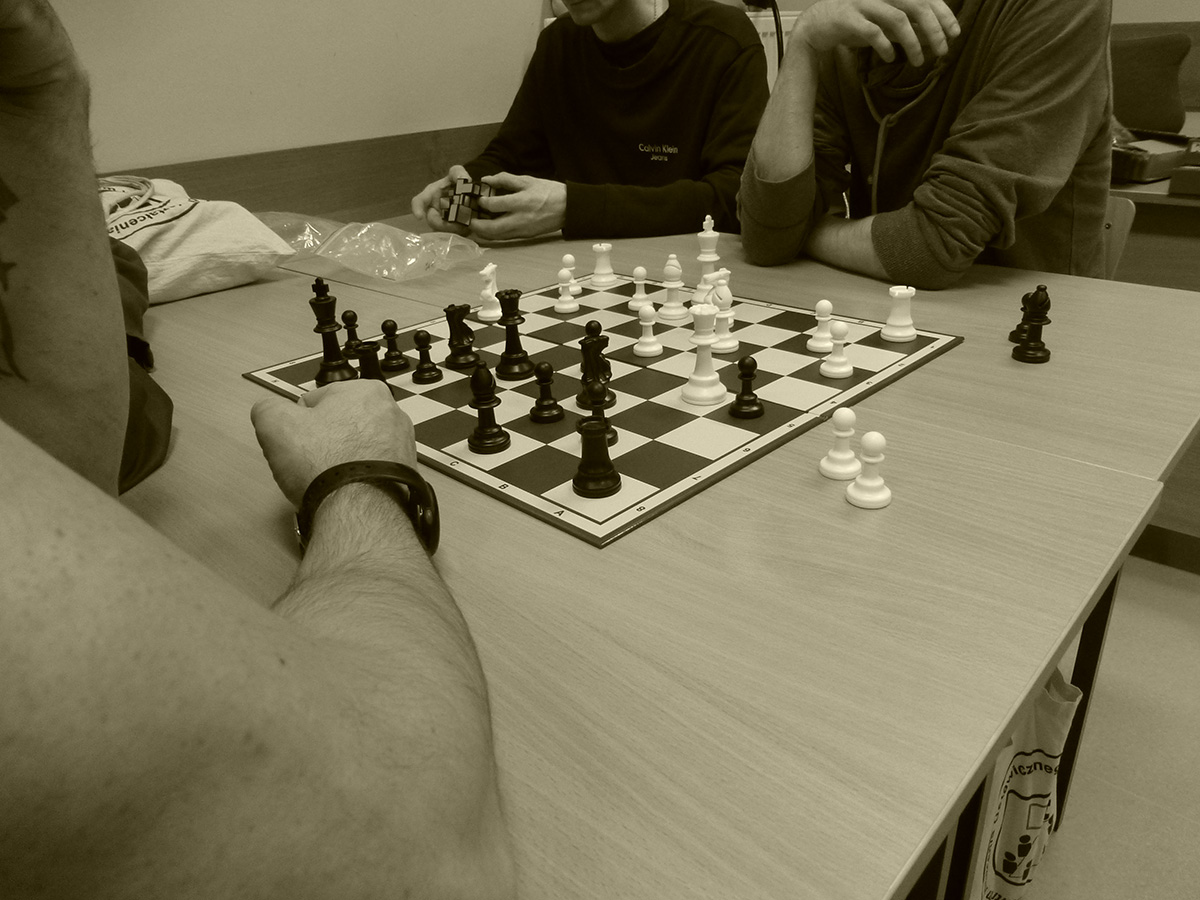
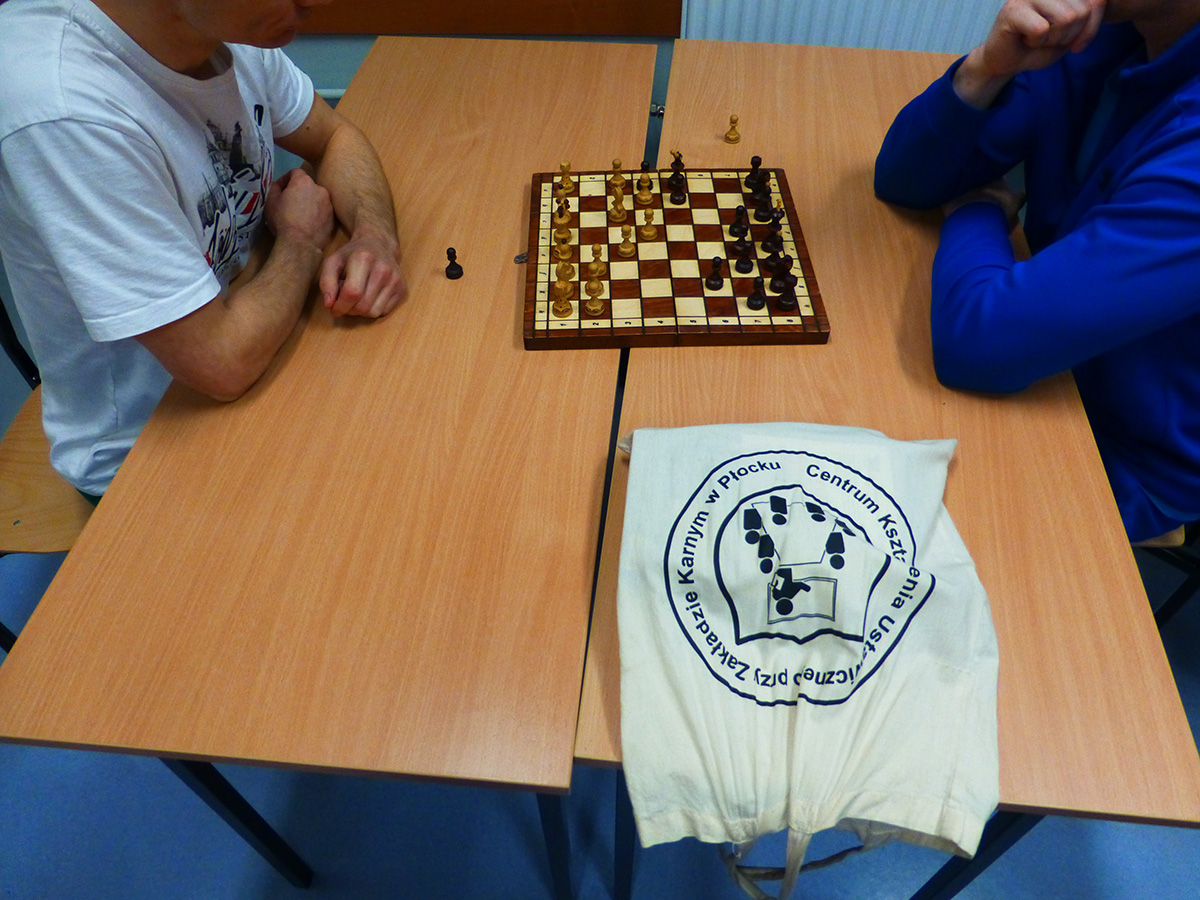
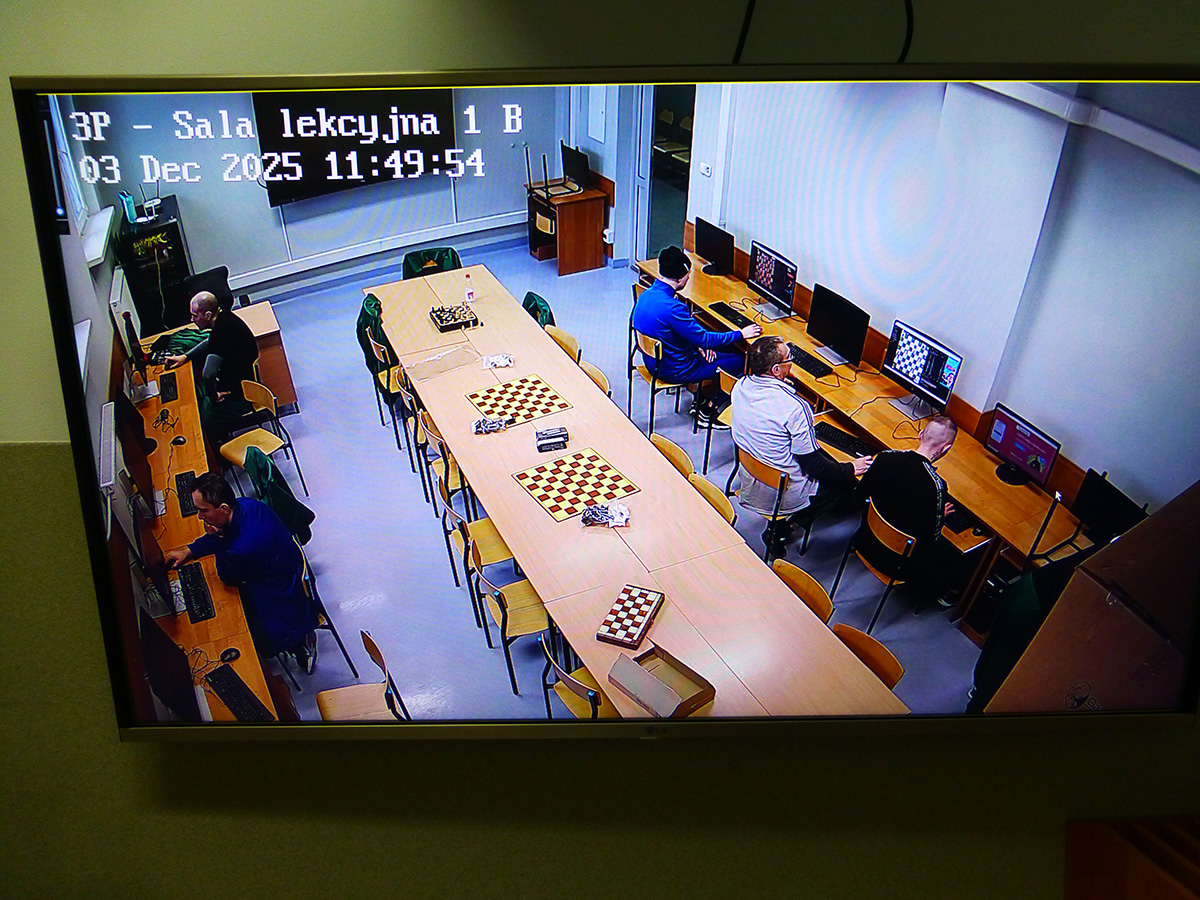
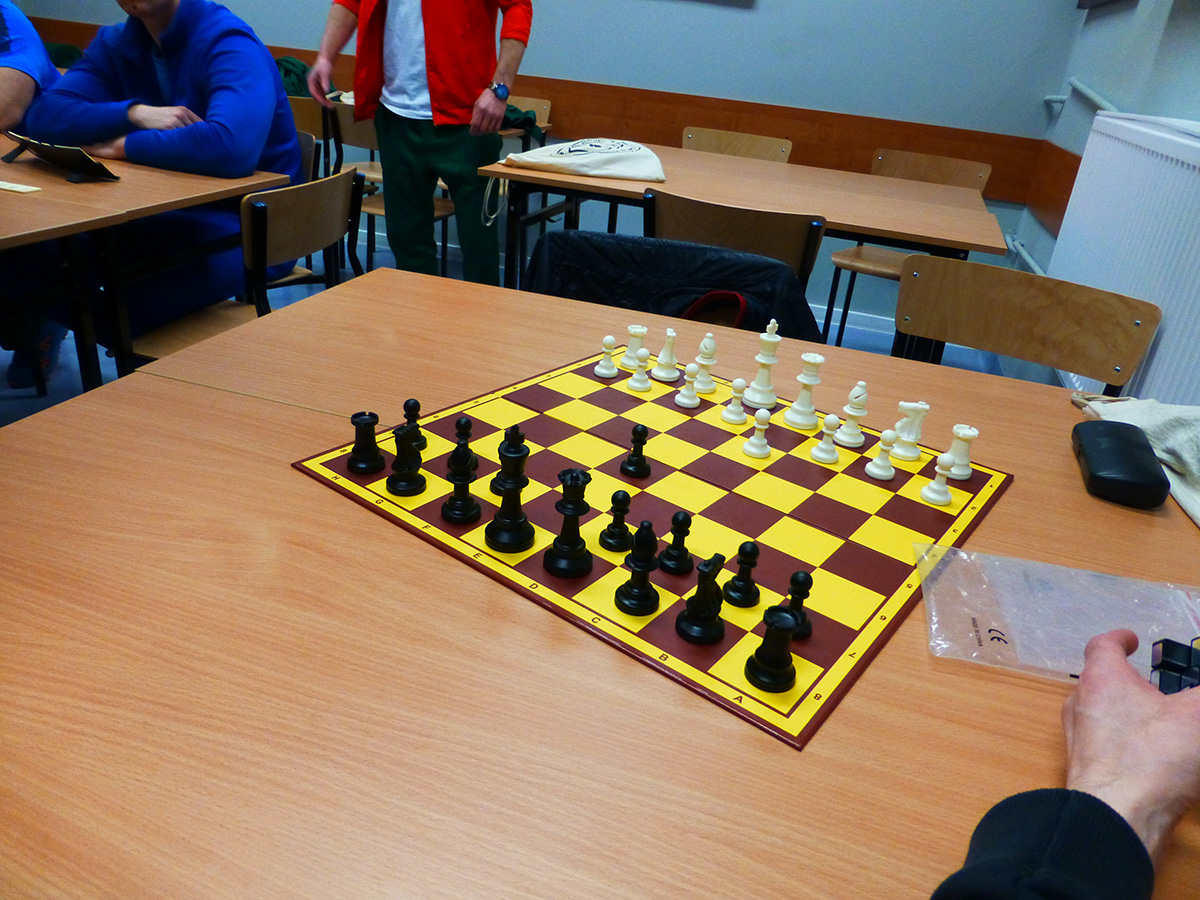
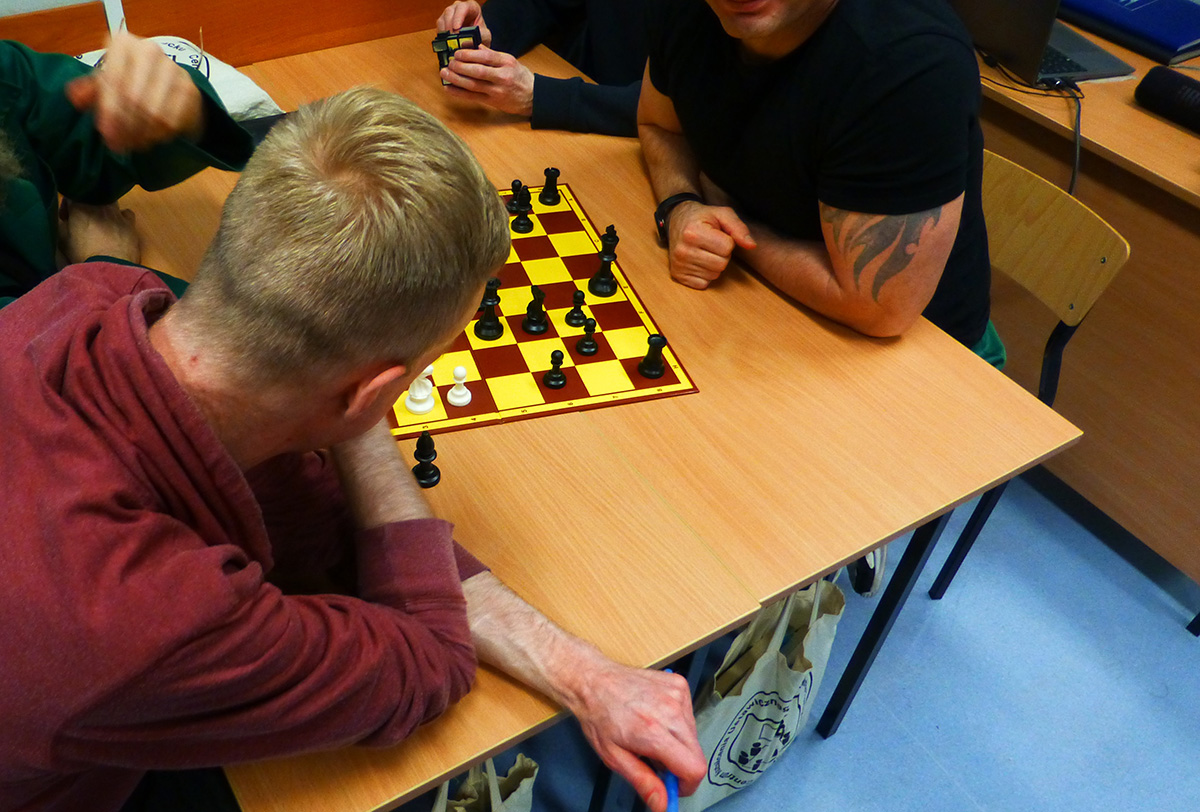
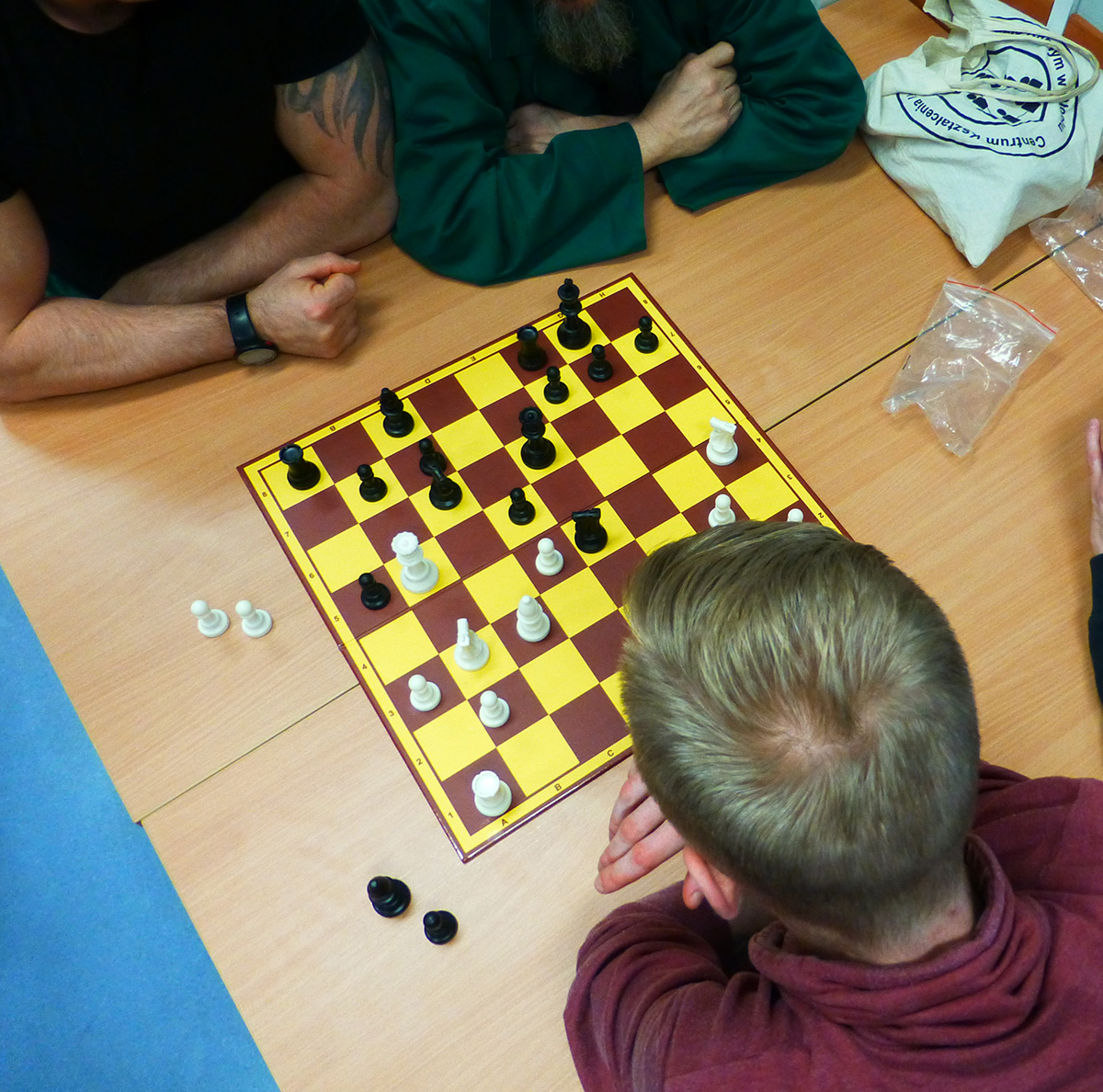
• chess workshops,
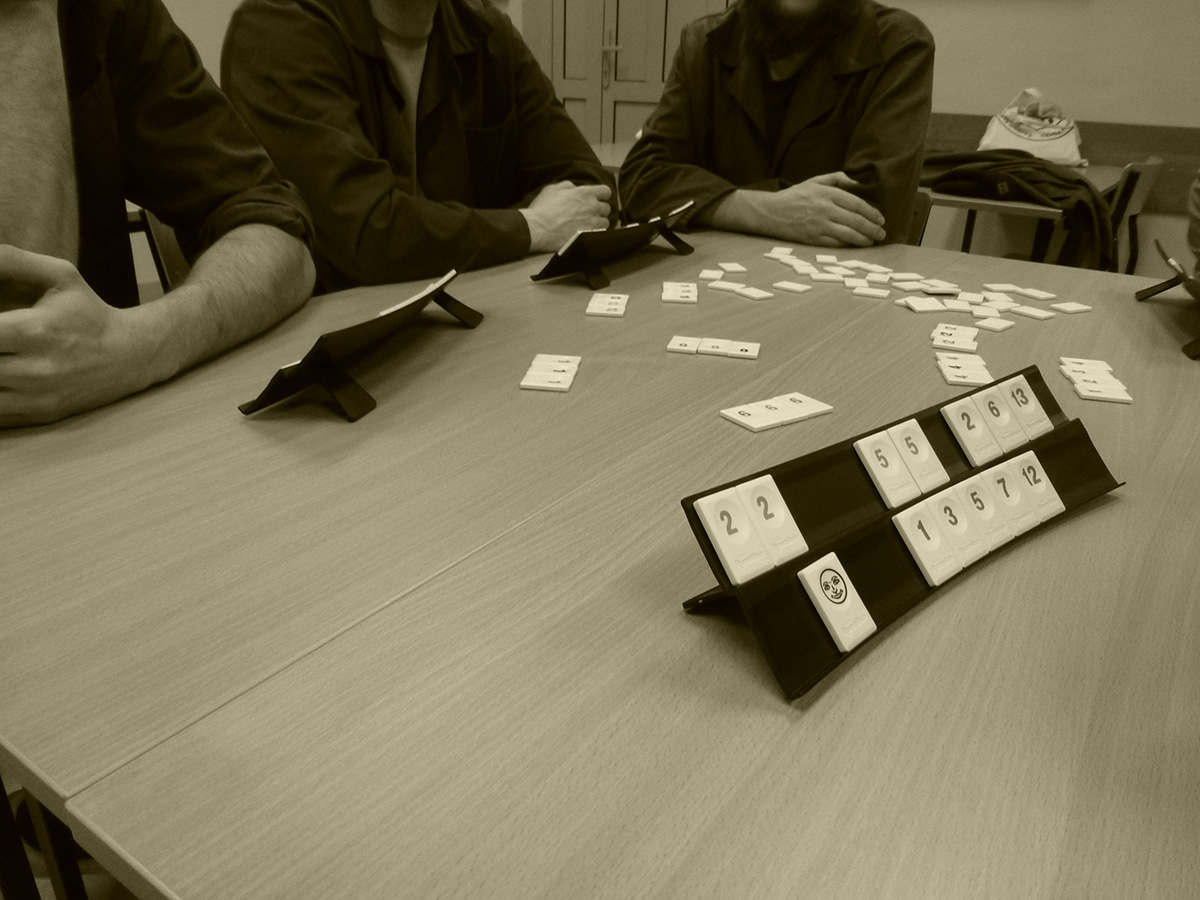
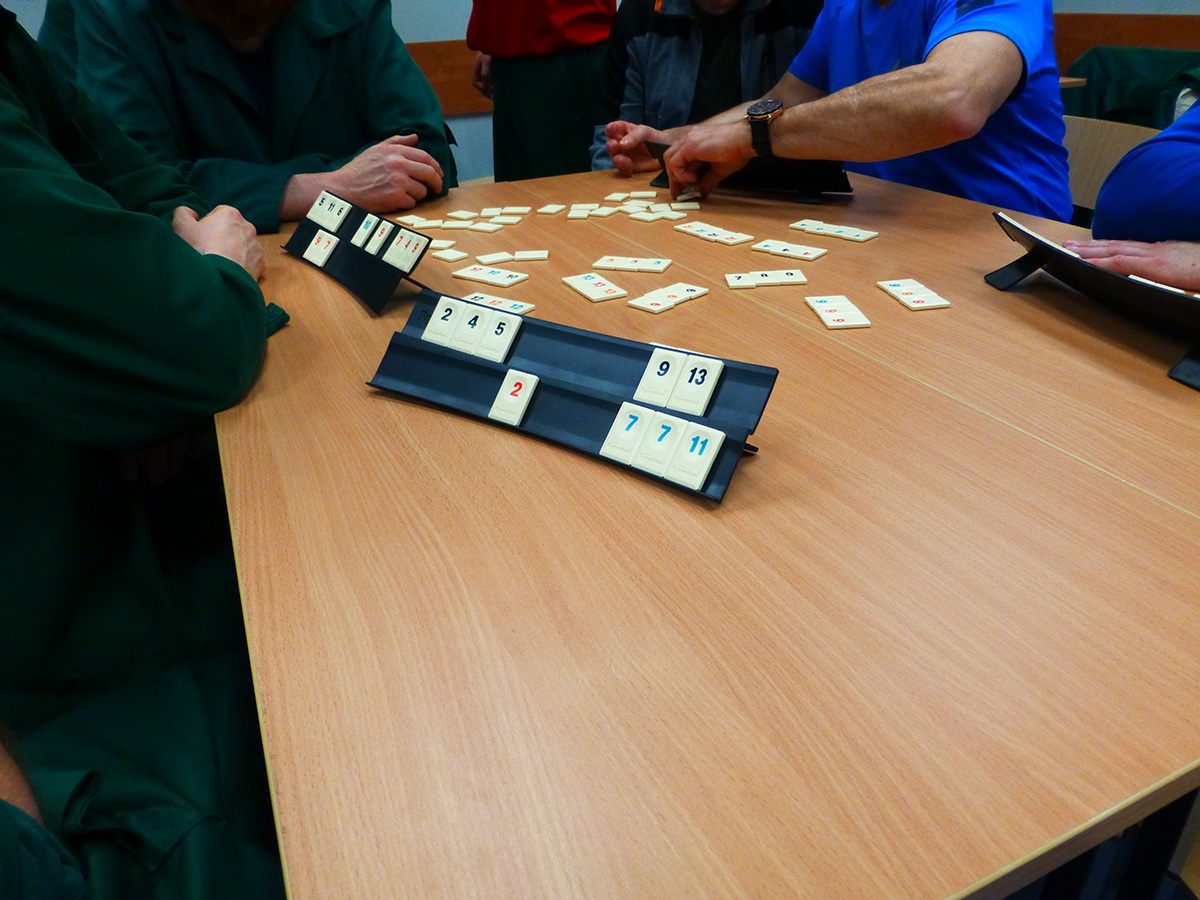
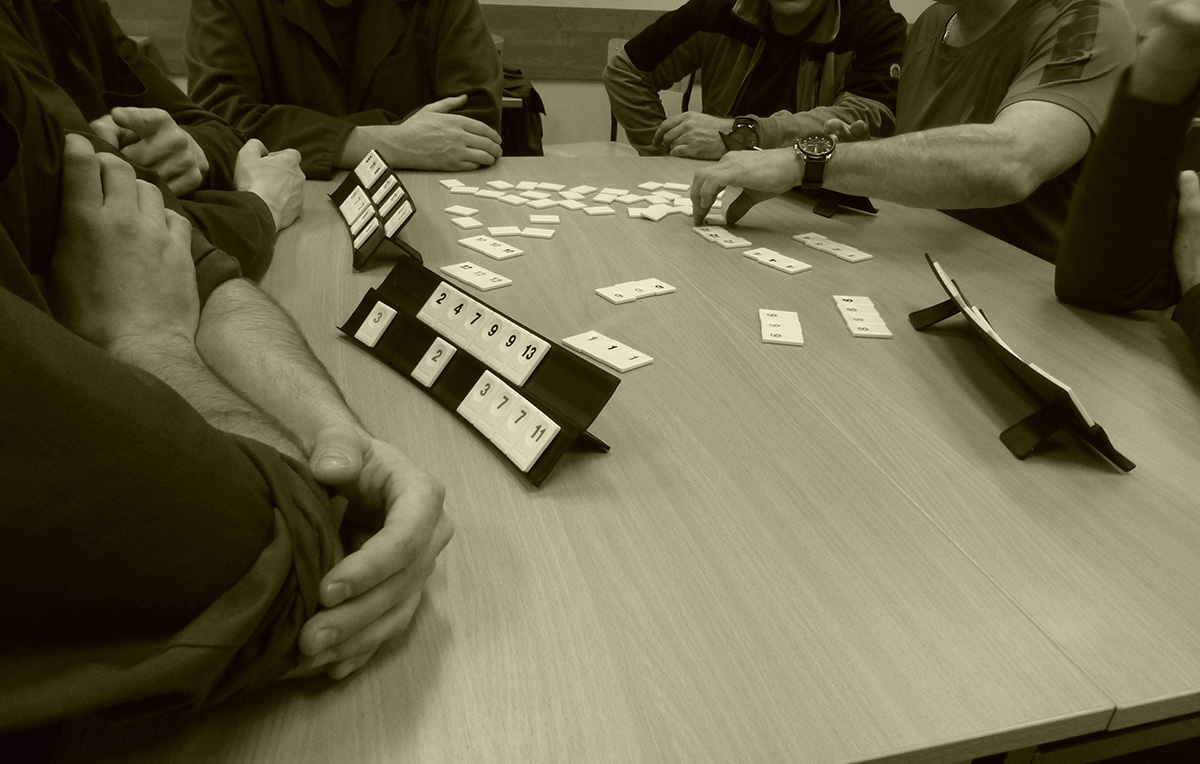
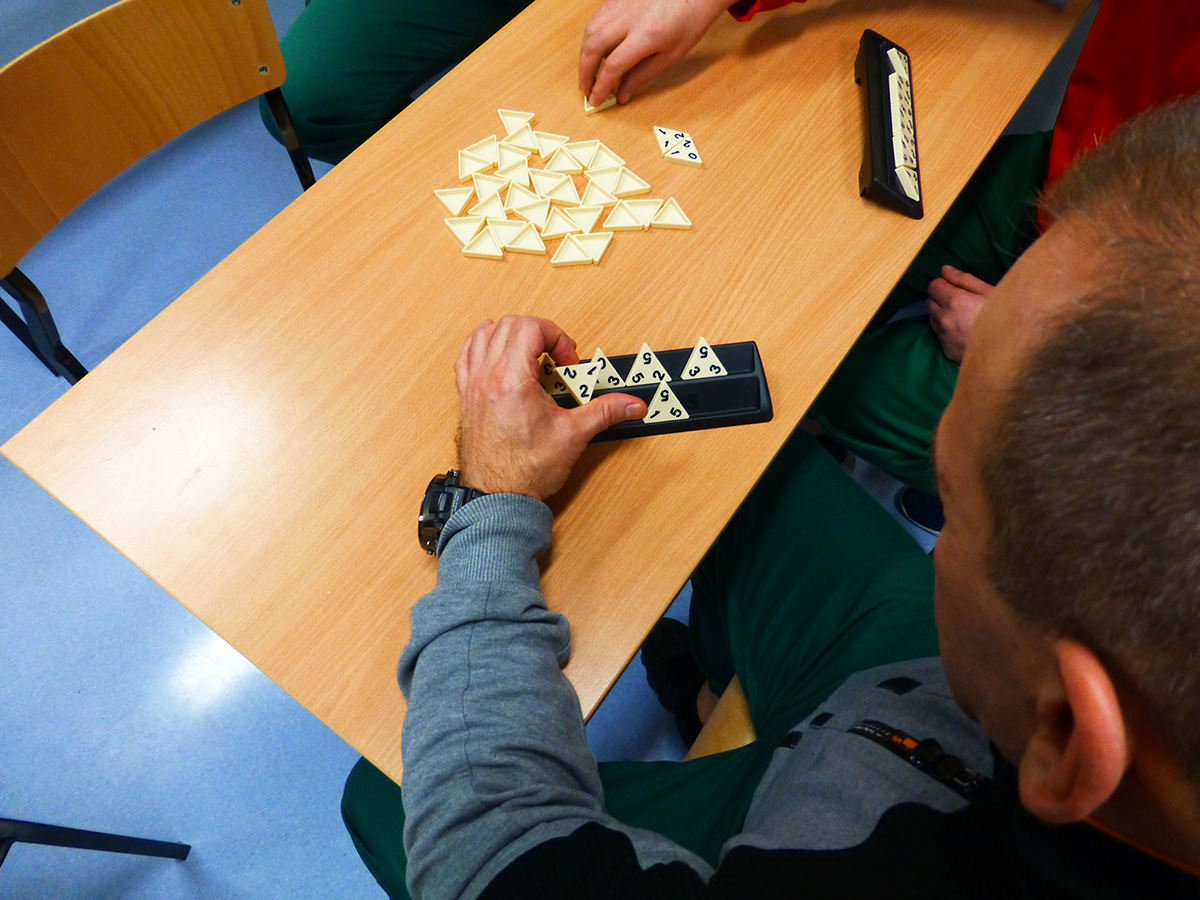
• board games workshops,
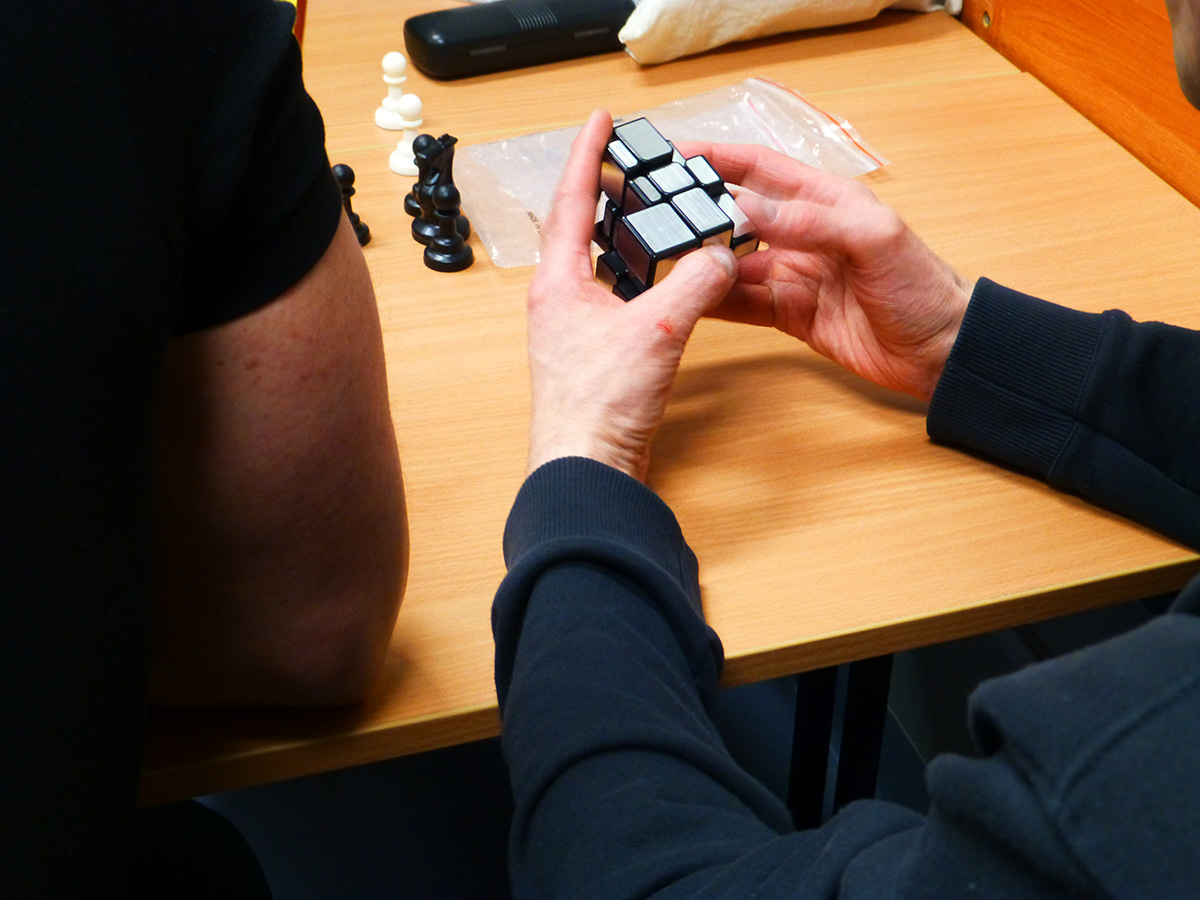
• logical puzzles and Sudoku activities,
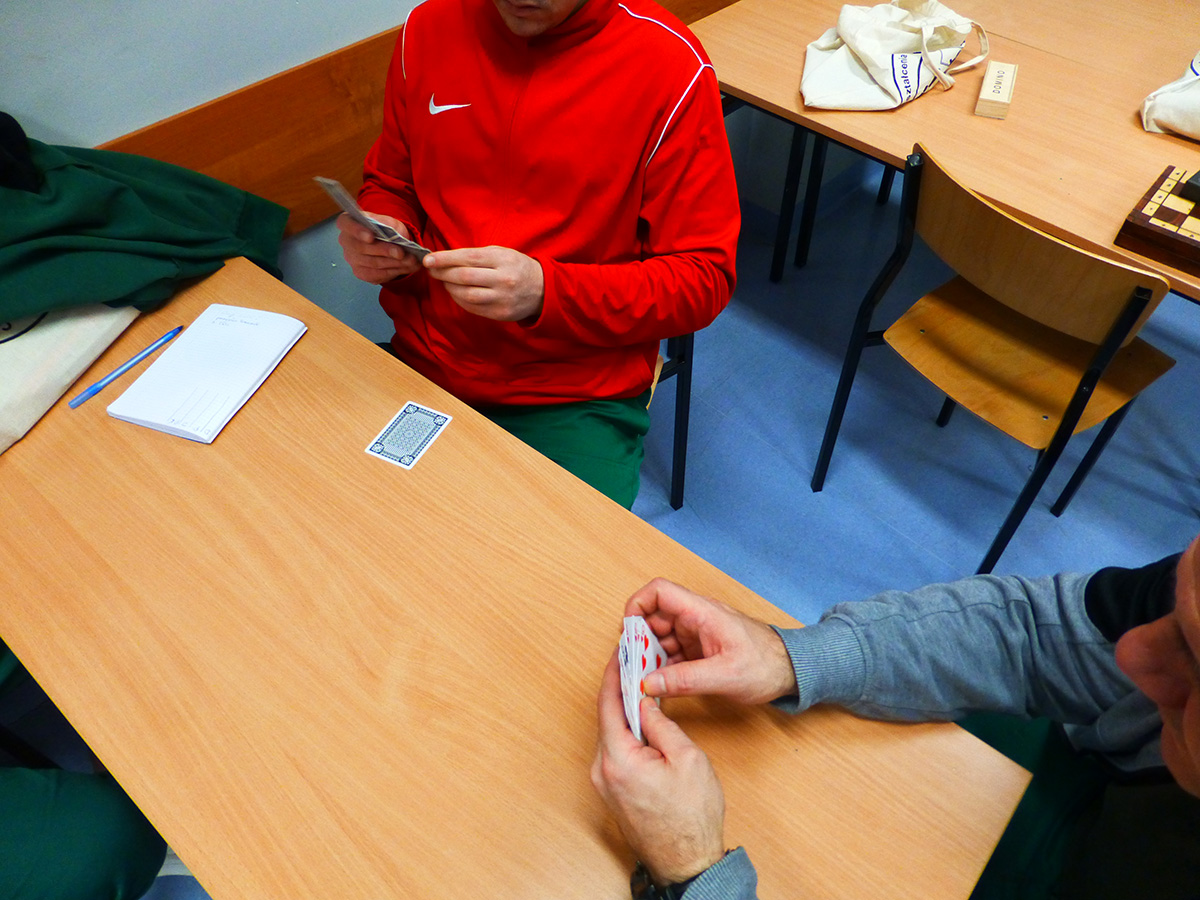
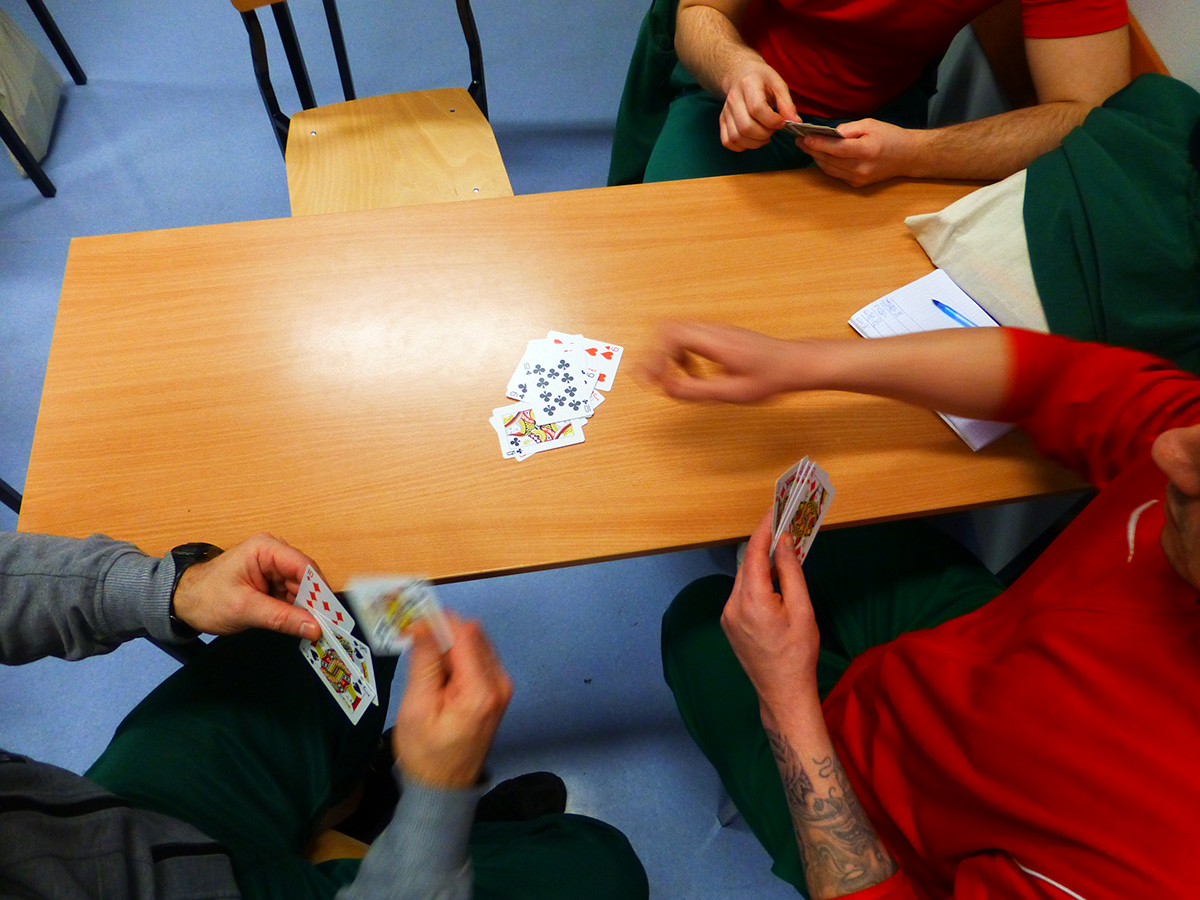
• card games workshops,
• LEGO workshops developing spatial and logical thinking.
The activities were implemented using non-formal educational methods and were based on active participation, cooperation and learning through experience and play. Workshops were adapted to the needs and abilities of participants as well as to the specific conditions of prison education.
An important element of the project was also the participation of prisoners in international chess tournaments for inmates. For many of them, this was their first experience of taking part in an international educational activity and representing their penitentiary institution in a European and intercontinental event.
The project also included international partner meetings held in Poland, Spain and Slovenia, during which organisations exchanged experiences, presented their working methods and discussed good practices related to prison education.
Project Results
The project contributed to increasing prisoners’ engagement in educational activities and supported the development of participants’ mathematical, logical and social competences. Workshops helped participants improve concentration, patience, planning, cooperation, communication and problem-solving skills.
More than 150 prisoners from Poland, Spain and Slovenia participated in the project. For many of them, participation in the project was an opportunity to become actively involved in educational activities based on more practical and engaging methods than traditional school education.
The project also demonstrated that non-formal education methods and the use of games can effectively support the educational and social reintegration process of people at risk of social exclusion. Partners observed increased motivation among participants to engage in educational activities as well as greater openness to cooperation and group work.
Board games, chess sets, LEGO kits and educational materials purchased within the project remained in penitentiary institutions and continue to be used during educational and social rehabilitation activities.
European Dimension of the Project
The project created a space for cooperation between organisations involved in prison education in different European countries. Partners had the opportunity to learn about different models of working with prisoners and exchange experiences related to the use of game-based learning methods in adult education.
International cooperation also contributed to building a sustainable network between partner organisations, which declared their willingness to continue developing joint initiatives related to the education of people at risk of social exclusion.
Project Partners
• “Busola” Association for the Education of Socially Excluded People – Poland
• CEPA Yucatan from Spain (school operating within the Soto del Real prison near Madrid)
• CDI Univerzum from Slovenia – a non-governmental organisation working in the field of adult education and specialising in non-formal education.
The project was implemented within the Erasmus+ Programme – Small-scale Partnerships in Adult Education (KA210-ADU).